SAN JOSE, Calif. - (Business Wire) Online consumers in English-speaking countries are the most frequent victims of identity theft, twice the rate of France, Germany and Spain, according to a new study released by PayPal. With the holiday season fast approaching, three quarters of online shoppers worldwide are concerned about online scams or identity theft. The research, conducted by Ipsos, examined online security fears and habits in the United States, Canada, France, Germany, Spain and the United Kingdom.
The survey found that 10 percent of online shoppers in Canada, the U.S. and the U.K. had experienced identity theft. This compares with only five percent in France, Germany and Spain. Approximately 25 percent of online shoppers in the three English-speaking countries knew friends or family who had their identities stolen.
“This survey shows that while concerns about ID theft form a universal language, more identity theft tends to occur in countries where a higher percentage of e-commerce is concentrated,” said Michael Barrett, chief information security officer for PayPal. “But e-commerce is growing in prominence around the world, and fraudsters will likely follow the money. Consumers everywhere can stay one step ahead and better protect themselves online by following a few simple tips.”
While choosing and safeguarding passwords is one of the most important factors to online security, attitudes and behaviors vary greatly between cultures. German consumers are the most vigilant with passwords. Only about one in four (28 percent) has ever shared an account password with a family member or friend. This compares with 60 percent of Americans and 56 percent of French consumers who shared passwords. Consequently, Germans also experienced the fewest problems with identity theft -- only three percent of German consumers have experienced identity theft, and fewer than one in 10 knows someone who has.
Almost half of consumers in all countries surveyed use important dates, family member names, nicknames or pets’ names as their online passwords. French and Spanish consumers are most lax when it comes to updating their passwords. Sixty-one percent of French consumers and 63 percent of Spanish consumers change their passwords less than once per year or only when required to do so.
The survey found that about 40 percent of consumers in all six countries use social networking sites, and some of these consumers display personal information that they also use for passwords. More than one in four French consumers display their birth dates on social networking sites and also use birth dates as online passwords. Less than 10 percent of consumers in the UK and Canada do the same.
Other Global Findings
- Spanish consumers are relatively new to e-commerce, and more than 80 percent of those respondents said they are concerned that products purchased online will not be as pictured or expected, will be of poor quality, or will not arrive at all.
- Privacy is the number one concern among Canadians, with more than half (53 percent) indicating that they are “very concerned” about protecting their privacy.
- Consumers in Germany, the UK and Canada are least likely to store their passwords on their browsers (70 percent, 61 percent and 58 percent, respectively, never do so). About half of the consumers in the U.S., France and Spain store passwords on their browsers.
- Americans are most likely to write down their passwords in order to remember them (36 percent do so). Fewer than 20 percent of consumers in all other countries surveyed write down passwords.
- More than half of all consumers receive financial statements in the mail. Only 17 percent of consumers in France and 23 percent of consumers in Spain own shredders, compared to a large majority in all other countries.
All Top Banking
Showing posts with label Identity theft. Show all posts
Editor's Note: Before you read this story about 10 tips to prevent hackers from getting your card information when shopping online, I should let you know that ultimately, practicing these tips won't protect you. I will however, show you a simple and logical way to make your online transactions exponentially more secure...ultimately providing you and yours with the peace of mind so many online-shoppers lack, yet desire. Here's how...
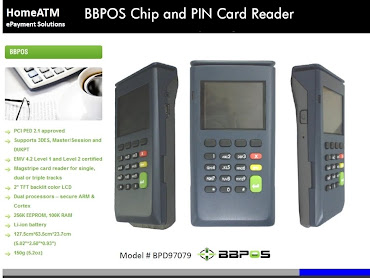
Simply place an order for a HomeATM Personal Swiping Device, and you won't ever have to worry about the following 10 tips designed to "help" protect your identity when shopping online.
Even if you were to memorize and practice the art of using all 10 of these tips, you are NOT going to be protected when shopping online. You'll be more protected, but not fully protected. But there is a way to fully protect you when you shop online.It's simple...compare the two choices:
Choice One (current method): Think about it. Does any part of your mind, intuition, thought process, knowledge, etc. think this is a safe way to purchase anything online? Then why would you enter your card information including your card number and expiration date into a box on a website and then worry hacker will see your data or break into the the retailers system in the future, steal your data and wipe out your bank account?
Choice Two (Our Way): For the cost of shipping and handling, we'll send you our SwipePIN device and you can process your purchases online the same way you do it in retail stores.Simply take out your card and swipe it yourself in the safety of your own home. See the numbers on the PIN pad? Yes, it even allows you to further secure the transaction with your PIN. (all data is fully encrypted). You should be "SwipePIN your Slider"
This globally patented platform brings the Point of Sale device Home...where the Point of Sale occurs. Better yet, (and here's our direct response TV commercial pitch) "Try HomeATM's SwipePIN device at home FREE for 90 days...just pay shipping and handling ($5.00) and if you're not completely convinced it's the most secure way to make your online purchases, let us know and we'll deactivate it. Otherwise, use it to send us $5.00 dollars for a total cost of only $10.00! You can now shop online safely, securely with the knowledge that both your card and card reader are hack and skim free, respectively. (You can also rest assured it hasn't been tampered with)
Until you start using the SwipePIN method, consider these tips to reduce your risks. But remember, there's keyloggers, hijackers, screen scrapers, hacktivists, wardrivers and myriad other threats that these tips don't protect you against.
This holiday season many online shoppers wanting to avoid the hassle of visiting crowded shopping malls will look to the web as a quick and easy to purchase gifts for friends and loved ones. Although the number of Canadians shopping online continues to grow, there are still many consumers who won't shop online for fear they could be victims of identity theft.
The truth is that identity theft is a relatively rare occurrence and most identity theft occurs in using low tech off-line methods therefore most experts agree that shopping online is very safe provided consumers use some common sense when shopping online.
To help make shopping online more safe and secure, Digital Home presents the following Ten Tips for Secure online holiday shopping:1. Only provide personal information if you're on a secure Web site. Once you are logged in, make sure the Web address starts with "https"("s" means it's secure). For added safety, check for a site certificate before submitting information on a secure page. Confirm the owner of the certificate by clicking on the padlock icon at the bottom of most browsers. You should see the owner listed as well as the site address. This address should match the Web site address at the top of the page; if they do not match, you may be at a fraudulent Web site and should not enter personal data.2. Never respond to emails asking you to "confirm" recent transactions after you shop. These likely are "phishing" scams sent to lure private information from you.
3. Maintain a paper trail. Print and save records of your online transactions, including the product description and price, the online confirmation/receipt, and copies of any email(s) you exchange with the seller.4. Do not share your passwords with anyone and never provide your social insurance number, birth date, or mother's maiden name in an email.5. Make sure all of your security software is up-to-date before you do your online shopping. That includes anti-virus software, anti-spyware, and firewalls.6. Check a company's privacy policy before doing business with it. A company should allow you to know what personal information its Web site is collecting, why and how it will be used. If you can't find a privacy policy -- or if you can't understand it -- consider taking your business to another site that's more security-conscious and accommodating to customers.7. Consider using a separate email account for your online shopping. You can set up a free email account online through several different services.8. Check your bank and visa accounts regularly for any activity you did not initiate. This is especially needed during the busy holiday shopping season. You should be able to log on quickly and check to see if there is any unusual activity in your bank or credit card account that you did not initiate. If there is, contact your bank immediately.9. Do business with companies you know and trust. Research a company before revealing personal or financial information online. Confirm an online seller's physical address and phone number in case you need to get in touch with them. If you get an email or pop-up message from the seller while you're browsing that asks for financial information, don't reply or click on the link in the message. Legitimate companies don't ask for this information via email or pop-ups.10. Watch out for fake "look-alike" sites. Some con artists disguise their Web site as a well-known company's site. Check your browser's address bar to make sure you're always using the correct Web site address. If the Web site seems suspicious, leave it immediately and call the company.
Finally and perhaps the most important piece of common sense when shopping online is one that is true when shopping offline - Never let anyone see your card numbers and never hand your card over.
Powered by Blogger.